A year or so ago I shared this photo, which showed me in July and February 2023:
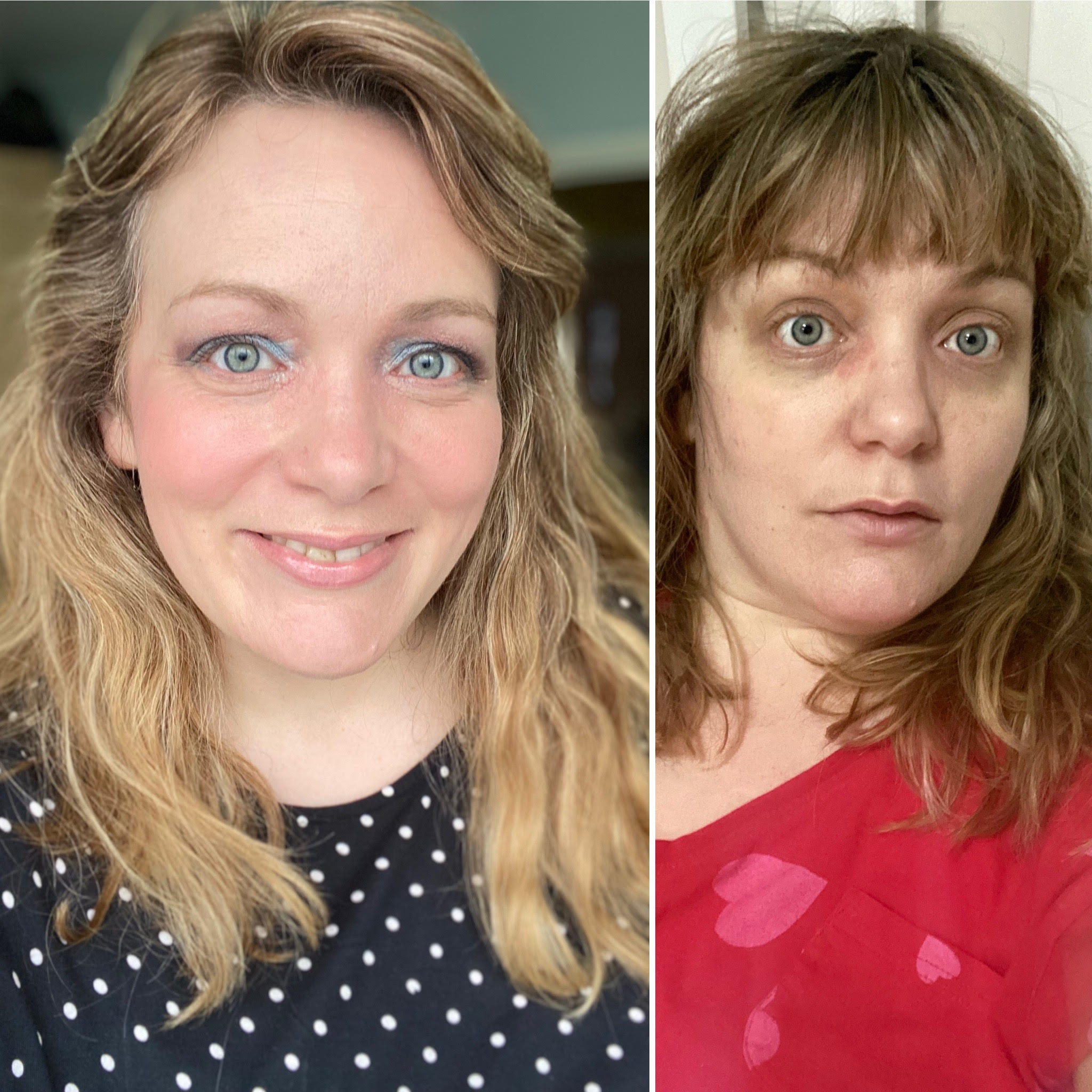
I think we can all agree I look pretty terrible in the February photo. What’s important to note is that this was after I was discharged from hospital, having spent some time on IV antibiotics. It was also before my infection reoccurred and resulted in a bowel perforation which resulted in another hospital stay and this time two IV antibiotics at the same time (plus fluids, and morphine – moving around with my drip bag was quite the adventure).
I had two rounds of sepsis in the space of a few weeks, which is quite common – but I was not told this, nor in fact was I told the first time that I had sepsis, but on reviewing my stats (including the frankly alarming score of 440 for my CRP; healthy adults have <3mg/L) it was clear I had met the clinical criteria, and also that I had been treated via the Sepsis Six pathway.
I am very grateful for the prompt and effective medical help I was given – many people who have sepsis do not get this in time, either because they do not recognise the danger to themselves and go to hospital, or (even worse) medical professionals do not spot the signs either. Surviving sepsis relies in large part on being treated very quickly. The sooner you are treated, the better your outcomes are likely to be. But I wish I had been given more information about what had happened to me and what the long term effects might be – 40% of people who experience sepsis have ongoing health issues, which are grouped under the umbrella of “post-sepsis syndrome“.
Sepsis kills over 40,000 people in the UK every year. It does not discriminate – while you might be more likely to die from it if you are very old or very young, or have serious underlying health issues, many very healthy children and adults die from it every year. It kills more people than prostate cancer, bowel cancer and breast cancer combined in the UK every year. Yet despite quite a bit of media press lately, many people still don’t know what it is or what to do about it.
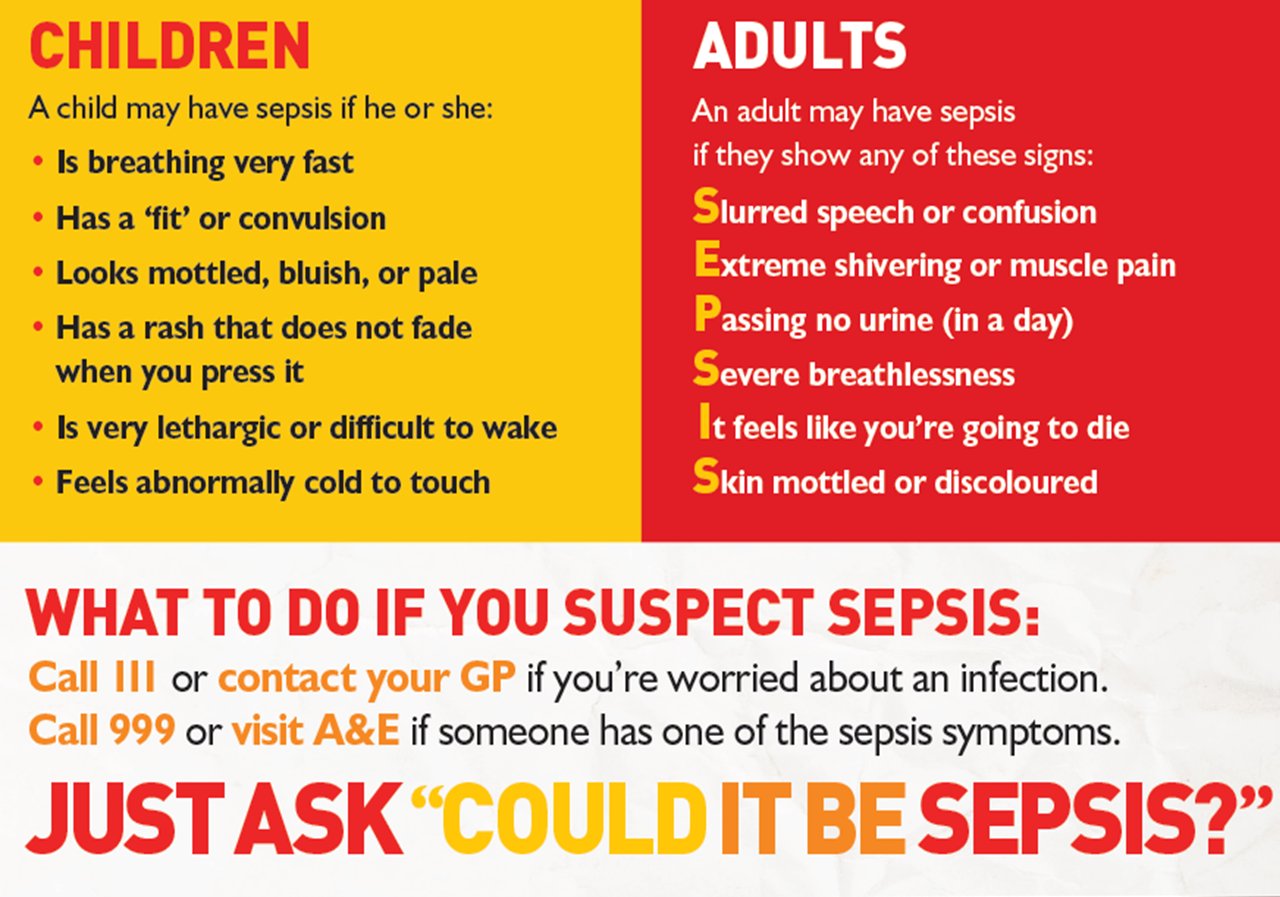
The Sepsis Trust have been doing really excellent work to raise awareness about sepsis – and not in a vague, well-meaning way, but in a serious “these are the symptoms, this is when to go to hospital” way – and to work with healthcare professionals to educate them about the signs of sepsis and the correct protocols to use. If that weren’t enough, they also run a support line and support groups for survivors of sepsis AND for people bereaved by sepis!! They are a small organisation and yet they do so much. After my second hospital admission I was feeling terrible and like I was only recovering in tiny increments. Because no one at the hospital had given me any advice about what to expect, I didn’t know if this was normal or what I should be doing to help myself recover. I did a bunch of research myself, because I am an academic and I’m good at that, but I also rang the hotline and spoke to a sepsis specialist nurse, who was kind and reassuring and gave me lots of information, and sent me a bunch in the post too. I felt very comforted by it, and this is from someone who is pretty pro-active about asking for resources and information, and who also has a lot of research skills – I still felt very vulnerable and at sea, so I imagine many people are way more disoriented and frightened when they are discharged following sepsis.
Anyway: I am doing a yoga challenge this month to support the trust – it’s their #YogaForSepsis campaign and there’s a nice friendly community doing it too. It’s an appropriate campaign for people who’ve had sepsis and who are bereaved by sepsis to do, I think, because yoga can be adjusted to any difficulty level and it can also be very grounding and soothing. If you’re on facebook you can donate to my campaign but if not, or you’d prefer to donate anonymously, you can do so direct to the Trust here. Thank you!
 Rachel E. Moss
Thanks for writing this. My dad died of septic shock, and I know how serious and how very fast it can be. I’m so glad your team was able to give you care and pull you through!
I’m so sorry for your loss. We need so much more research and more resources poured into combatting sepsis!